Showing posts with label literature. Show all posts

Sunday, June 24, 2012

Give Camp Memphis


As promised, I've spent the weekend with the good folks of Give Camp Memphis. We've been holed up in the Emerge Memphis building downtown since 5:00 on Friday. The bravest among us (not me) are even sleeping here -- hence the "camp" in Give Camp.

Give Camp is a national initiative that has been popping up in an increasing number of cities. This weekend marks Memphis's second event. The group's slogan is "Coding for Charity," and that pretty much sums it up. Give Camp recruits volunteer tech professionals ("from designers, developers and database administrators to marketers and web strategists") as well as nonprofits in need of technical help, then puts them all in the same place, divides them into project teams, and gives them one solid weekend to complete a tech project.

Most of the projects at this year's Memphis event involve constructing websites, and Chatterbox's is no exception. As I wrote last week, we requested help building an online home for our ongoing Spoon River Anthology project. As of this writing, we're three hours away from the end of the event. The prototype site is shaping up, and though it won't be ready to share for a while (I still have lots of work to do on the content), it will be fully functional and will serve as a fantastic interface for the fantastic poems we're recording.

We pulled an incredible team in Sarah, Matt, George, Jeff, and Jason. Frankly, I'm amazed at all the professionals who turned out to volunteer their time and talent in exchange for nothing more than a thank-you and some (admittedly excellent) food. For my part, all I've really had to do is be around, answering the occasional question, tossing out the occasional idea, and providing the occasional file. Not a bad trade-off at all.

If you're a small nonprofit in a city where Give Camp has a presence, I highly recommend submitting an application. And if you're a technology professional with a penchant for charitable work, I'm sure they'd be thrilled to hear from you.




Sunday, June 17, 2012

Chatterbox Travels to Spoon River

A while back, without any real plan in place, I started asking our performers to record short poems from Edgar Lee Masters's classic Spoon River Anthology. Upon hearing the results, I decided that we should tackle the entire collection -- all 220+ poems -- making it a long-term project for the Chatterbox studio. In other words, by the time we make our way through the entirety of Masters's work, more than 220 individuals will have passed through our studio and contributed their time and their talent.

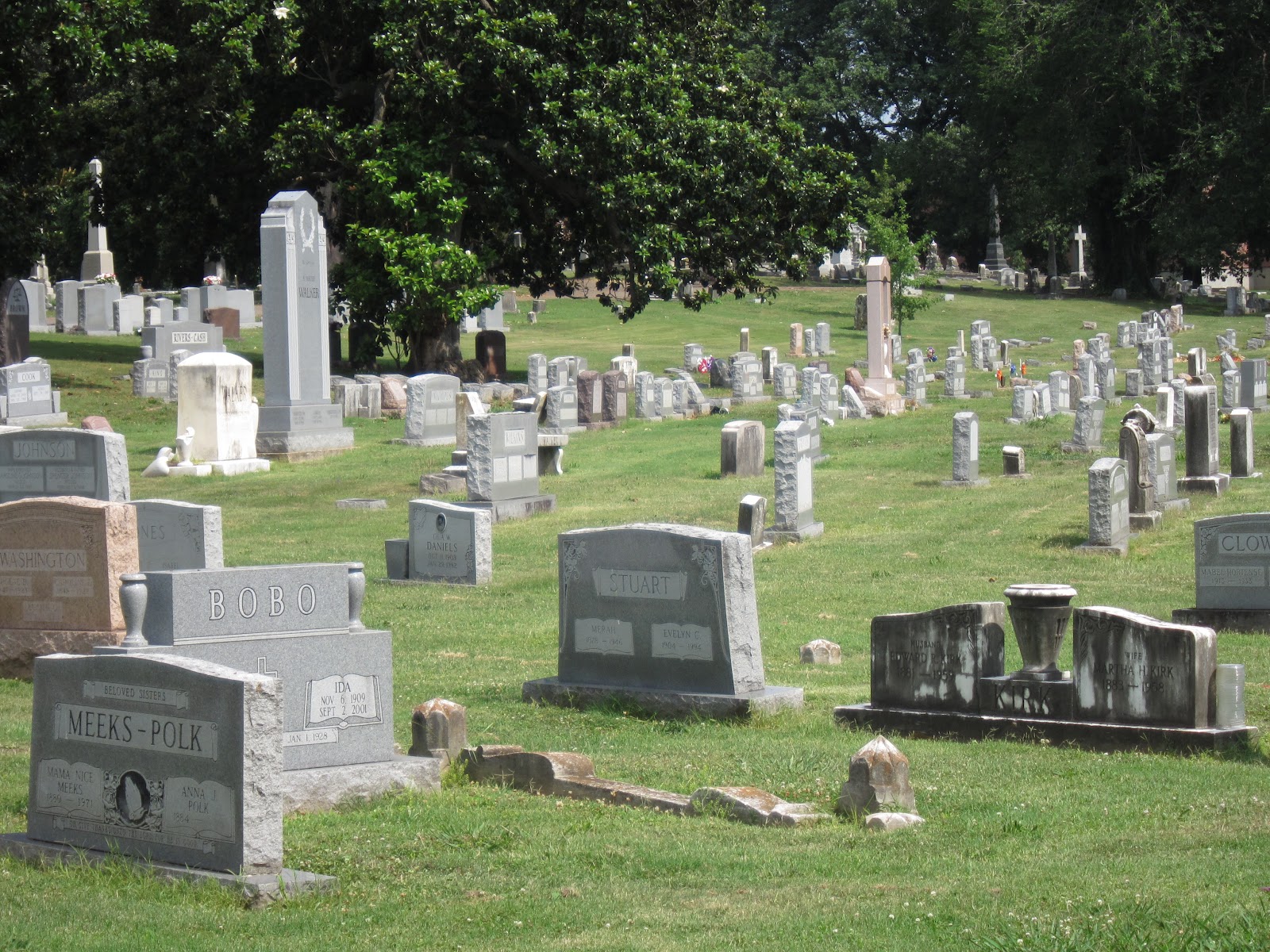
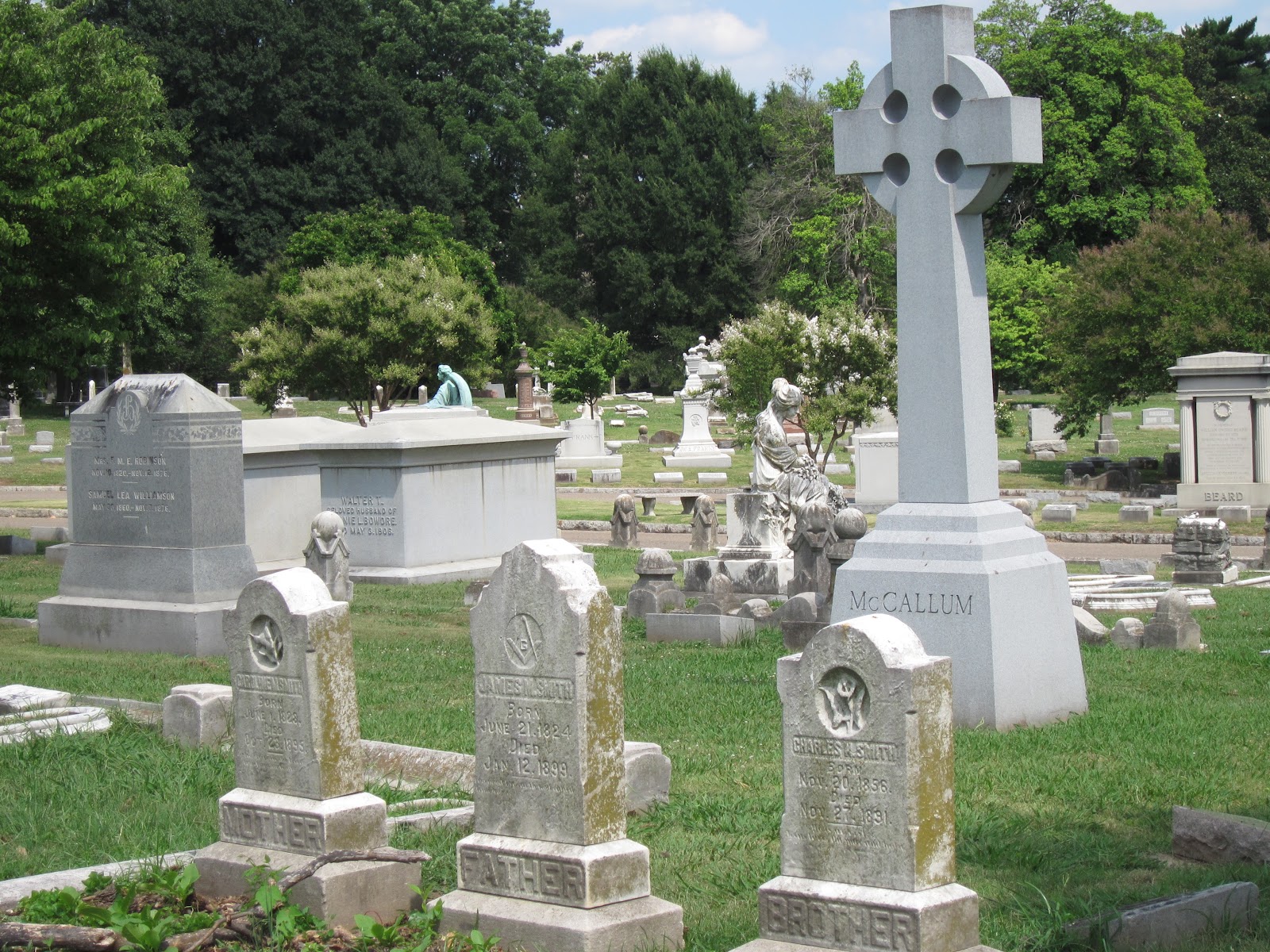
We've got a long way to go with the recordings (we've only completed 50 or so), but I'm happy to say that the technical end of the project has gotten a couple of big boosts lately. GiveCamp Memphis has offered to help us build an interactive website that will lead listeners through a virtual cemetery. (All the poems in Spoon River Anthology are written as epitaphs.) Memphis's famed Elmwood Cemetery will stand in for the Spoon River cemetery. And the very talented John Childress of J&B Childress Photography will capture the images that will make up the website.

With such a great team in place, I'm hopeful that the project will launch soon! Chatterbox's Spoon River site will be a work in progress as we continue to record and post poems. It may take us years to complete. In the meantime, though, we're planning to go ahead and share what we've recorded so far.

To whet your appetite, here are two preview poems: 

Amanda Barker, read by Jennifer Henry

Hare Drummer, read by Bennett Wood

Finally, Karen and I visited Elmwood this afternoon to look around and to take a few preliminary photos. It's an amazing place. Here's a bit of what we saw.


Saturday, May 12, 2012

First Look: La Parure / The Necklace

Wow, we've been so busy performing, rehearsing, and recording that I've been remiss in blogging. Let me remedy that with a few images from this week's recording of Guy de Maupassant's timeless story "The Necklace." A first for Chatterbox: We recorded the show in both English and French. Look for both versions to hit the site in the coming months.


Sunday, January 8, 2012

Doppelgangers and Alternate Versions

Ebenezer Singh. Tongues, 2008. 15ft X 9ft. Fiberglass, resin, pigments and sequins.
 
I talked a few weeks ago about some artistic choices we made for Chatterbox's adaptation of Robert Louis Stevenson's "Markheim." Thanks to the blog post, I remembered that, in the process of creating the show, I had come across several other audio interpretations of the story.

Chatterbox adapts a lot of classic stories that have been around for dozens (or, in some cases, hundreds) of years. It's fun to see what other audio drama producers, both contemporary and OTR, have done with the same material. Today I thought I'd point out some alternate versions of shows in the Chatterbox catalogue.

The OTR Shows Weird Circle, Hall of Fantasy, and Theatre Royal all took on "Markheim" back in radio's Golden Age. The Weird Circle version updates the story to (then) modern day and gives Markheim's uncle a prominent role. Similarly, Hall of Fantasy makes a character out of Markheim's betrothed. The Theatre Royal version stars Sir Lawrence Olivier. In the 1970s, the CBS Radio Mystery Theatre gave another spin on the tale, calling it "Markheim: Man or Monster?"

One of our first shows was an adaptation of Charlotte Perkins Gilman's "The Yellow Wallpaper." The classic OTR series Suspense also produced the story, in a version starring the immortal Agnes Moorehead.

Speaking of our early shows, "Bartleby the Scrivener" also appeared on the OTR show Favorite Story in a version titled "The Strange Mr. Bartleby."

Remakes of existing shows are, of course, a different beast than two shows that share a common ancestor. But if you've heard, say, Chatterbox's production of "The Thing on the Fourble Board" and haven't heard the original Quiet, Please broadcast, you should definitely check it out. I'm confident other contemporary groups have remade this story, by the way, though I haven't come across any links.

Likewise for our recent production of "The Shadow: The Little Man Who Wasn't There." The original 1945 broadcast is still a great deal of fun. To hear another contemporary group's take on The Shadow (albeit different adventures), check out Pendant Audio's double feature of "The Blind Beggar Dies" and "The Poisoned Death."

So, while it's true that we do our best to steer clear of stories that have been adapted too often, it's certainly fun to hear what others have created using the same source material! More links as I run across them.

Wednesday, December 14, 2011

Who Knows What Evil Lurks in the Hearts of Men?

Original artwork by Dean Zachary

This week we’re releasing our recreation of The Shadow: The Little Man Who Wasn’t There, which gives me the opportunity to geek out a bit about this coolest of vigilante heroes.

I’ve loved the character of The Shadow since grade school. I was introduced to him through comic books, where he matched my fondness for heroes who didn’t possess fantastical powers. From there, I discovered the radio shows, mainly through cassette tapes bought in blister packs from the aisles of Wal-Mart or the Cracker Barrel gift store. (These tapes were a large part of the inspiration behind Chatterbox.) I was first in line for the lame1994 movie starring Alec Baldwin. More recently, I’ve enjoyed delving into the original pulp novels in beautiful reprint editions from Nostalgia Ventures.

Along the way, I’ve learned a bit more about Walter B. Gibson, the man behind The Shadow. Gibson was an unbelievably prolific writer, and is credited with writing 282 of the 325 Shadow pulp novels released under the pen name Maxwell Grant. (At times, he was writing two complete novels a month.) Not only that, but Gibson was an accomplished magician, and I was amazed to discover that he was ghost-writer and friend to another of my early-20th-century obsessions, Harry Houdini.

Gibson did not create The Shadow. The character was originally introduced in 1930 as a narrator for the radio show Detective Story Hour, back when radio shows mainly existed to help sell pulps. When people at the newsstands started clamoring for “The Shadow” magazine, publishers Street & Smith knew they’d better act fast. Walter B. Gibson was brought on to flesh out the character, and he did so in a big way. He created The Shadow’s iconic appearance, along with his battery of secret agents and his identity as Lamont Cranston (which was later overturned in the pulps, by the way).

The classic radio version of The Shadow, who first appeared in 1937, was a considerably different character. In an effort to tone down the violence of the pulps, he was stripped of his twin .45s, most of his agents, and his ties to the underworld dwellers of Chinatown. The radio Shadow was more of a gentleman detective in the vein of The Thin Man. But this version wasn’t a total loss. Radio gave us Margo Lane, who was so popular she began appearing in the pulp stories as well. The Shadow was granted “the hypnotic power to cloud men’s minds, so they cannot see him.” And of course, radio gave us indelible performances by Orson Welles, Bill Johnstone, Brett Morrison, and others as the man of mystery himself.

Running for 17 years, the radio show had its share of highs and lows. (Later seasons seemingly featured Margo being abducted by a different mad scientist each week.) But “The Little Man Who Wasn’t There,” written by science fiction author Alfred Bester, always stood out to me as a show that features all the best parts of The Shadow: A clever mystery, a cast of colorful characters, and one of those thrilling climaxes in which The Shadow reveals -- to the criminals and to us -- that he does, in fact, have the upper hand.

We recorded the show (along with Meridian 7-1212) in response to a request from Jack Ward of The Sonic Society, who was looking for a contribution to his “Summerstock Playhouse,” where contemporary audio theater companies recreate some of their favorite OTR shows. Recording the show was great fun, and it gave me, at age 31, the chance to reconnect with a character I had loved at 13. What a thrill to work with such a great cast and crew on this production, and to have the opportunity to read those iconic opening and closing lines:

"Who knows what evil lurks in the hearts of men? The Shadow knows!"

"The weed of crime bears bitter fruit. Crime does not pay. The Shadow knows!"

Tuesday, December 6, 2011

A Closer Listen: Markheim

Original artwork by Alla Bartoshchuk

When I stumbled upon the short stories of Robert Louis Stevenson, I knew I'd found a gold mine. Dismissed in his day -- and all too often nowadays as well -- as a boy's adventure writer, Stevenson crafted potent little stories that are slick, mystifying, chilling, clever, and ahead of their time. They struck me as perfect for audio, where their imaginative plots and brisk pacing would keep listeners engaged. (There's a reason why so many of the original Mercury Theatre productions were adapted from adventure tales like Stevenson's Treasure Island.)

In Stevenson's "Markheim," a career criminal finally makes the leap into murder. As he ransacks his victim's antique shop, he is approached by a mysterious man who claims to know him "to the soul." The two then engage in a lengthy, sometimes cryptic debate, in which the future of that very soul hangs in the balance.

After the antiques dealer is killed, Stephenson launches into a long, rapturous, gorgeous, paranoid bit of prose that has Markheim seeing images of himself repeated throughout the shop:

He began to bestir himself, going to and fro with the candle, beleaguered by moving shadows, and startled to the soul by chance reflections. In many rich mirrors, some of home design, some from Venice or Amsterdam, he saw his face repeated and repeated, as it were an army of spies; his own eyes met and detected him; and the sound of his own steps, lightly as they fell, vexed the surrounding quiet. And still, as he continued to fill his pockets, his mind accused him with a sickening iteration, of the thousand faults of his design. He should have chosen a more quiet hour; he should have prepared an alibi; he should not have used a knife; he should have been more cautious, and only bound and gagged the dealer, and not killed him; he should have been more bold, and killed the servant also; he should have done all things otherwise. Poignant regrets, weary, incessant toiling of the mind to change what was unchangeable, to plan what was now useless, to be the architect of the irrevocable past. Meanwhile, and behind all this activity, brute terrors, like the scurrying of rats in a deserted attic, filled the more remote chambers of his brain with riot; the hand of the constable would fall heavy on his shoulder, and his nerves would jerk like a hooked fish; or he beheld, in galloping defile, the dock, the prison, the gallows, and the black coffin.

Amazing. The story goes on like this for a while, delving deep into the new murderer's psyche.

But how to recreate this in audio? We could have opted to have Markheim narrate the scene, but his presence as narrator wasn't needed anywhere else in the story, and injecting it here felt awkward. (Unlike, say, Dead and Gone, where I think the final scene's shift into narration works beautifully.) A third-person narrator would have been even worse.

While struggling with this question, I realized that Stevenson was giving us a virtuoso performance as only a prose writer can: with his words. So, I reasoned, maybe the best way to tackle the segment would be to attempt an equally ambitious rendering using the language of audio theater, which is, of course, sound.

It's true -- in order to accurately adapt pages upon pages of beautiful prose, I decided we needed to get rid of the words altogether. I didn't even try to force them into a new medium, where they would almost certainly lose their effect. Instead, we sought to recreate Markheim's panic and paranoia inside the heads of our listeners. We aimed to put them in Markheim's shoes, causing their imaginations to conjure the feeling of the scene rather than its wording.

Now, I'll be the first to admit that the shift may not be totally successful. It may feel muddled or confusing in places, especially, I imagine, if you're only listening casually. I worried about this sequence when the show debuted on the radio, as sound quality is lower over broadcast, and the relative silence of the scene might be mistaken for a dropped signal.

But I'll let you judge for yourself. Here's the clip, and a play-by-play:

Markheim Clip (03:15)

00:00 - 00:34 The dealer is attacked, falls, and dies. We wanted this sequence to be loud, brutal, and awkward.

00:35 - 00:44 The deed is done. We hear Markheim's ragged breathing. And subtly those clocks, the ones surrounding him in the antique store, get louder.

00:45 - 00:55 Footsteps on the street outside. Is someone rushing to the shop, alerted by the crashing sounds within? No, it's just a boy running after his father on the sidewalk. He passes.

00:56 - 01:13 Markheim searches the dealer's body, finding his keys. He begins to look through the shop for a safe.

01:14 -  01:45 A knock on the door. The worst possible sound to hear in this situation! (Or is it?) The customer, discouraged, leaves, and Markheim resumes his search.

01:46 - 01:56 The clocks in the store all begin striking three. Markheim relaxes when he realizes what's going on. The strange cacophony is a nice way to announce our Visitor.

01:57 - 02:29 Footsteps upstairs. Or, anyway, loud noises upstairs. We hear Markheim's own footsteps as he walks further into the shop to investigate. The clocks fade as he leaves the main room and ascends the stairs.

02:30 - 03:15 Markheim throws open a door to find an empty room. He searches around a bit more and finds a locked cabinet, but the dealer's keys will not open it. Then the loud footsteps resume, and our Visitor makes his entrance in style.

If that's what you get from the scene when closing your eyes and listening, then great -- we succeeded. I wanted listeners to be on the edge of their seats, right there along Markheim as he agonizes over the tiniest noises and recoils at every possible danger. Our version of the story may not contain everything Stevenson said, but I hope it's close to what he meant.

(Be sure to check out the full recording on our website.) 


Tuesday, August 2, 2011

Light as a Feather

 Original Artwork by Amy Hutcheson

We just posted our adaptation of Nathaniel Hawthorne's satirical fable "Feathertop." I know, I know, Hawthorne. He's right up there with Melville and Dostoyevsky on the list of authors that every student hates to read.

But give "Feathertop" a chance. It's not nearly as dreary as, say, The Scarlet Letter (which I confess to liking as well). In fact, for a Hawthorne piece, it's downright upbeat. It's got magic and witchcraft, an invisible demon who lights pipes, a lot of humor (some subtle, some not), and a truly poignant ending. Yes, it's Hawthorne, but it doesn't feel like homework.

You'll notice that we pulled a similar trick with Melville for our very first show, recording the witty, affecting satire "Bartleby the Scrivener." One of the great things about Chatterbox is that we're able to bring works like these to vibrant, entertaining life. They have life on the page, of course. But for those who groan at the very mention of these writers, I hope our adaptations are a pleasant surprise, and suggest the rewards to be found within the original works.

We recorded "Feathertop" at the same time as Robert Louis Stevenson's "Markheim," and I loved the thematic echoes between the two pieces. (Spoiler alert!) In both, the title character ultimately chooses non-existence rather than acceptance of what he is. That sounds awfully bleak, but the key point is that both characters recognize something intolerable in their natures, something flawed but unchangeable, and decide that the only way to escape it is through self-destruction. So there's a certain tragic nobility to their choices -- a kind of redemption. To quote Markheim: "If my life be an ill thing, I can lay it down."

For a variety of reasons, "Feathertop" was one of those long-in-gestation shows; it was actually recorded back in April 2010, over the span of about a week. Now that it's finished, I hope the cast and crew enjoys revisiting this strange, funny little parable. And of course I hope you enjoy it as well.